
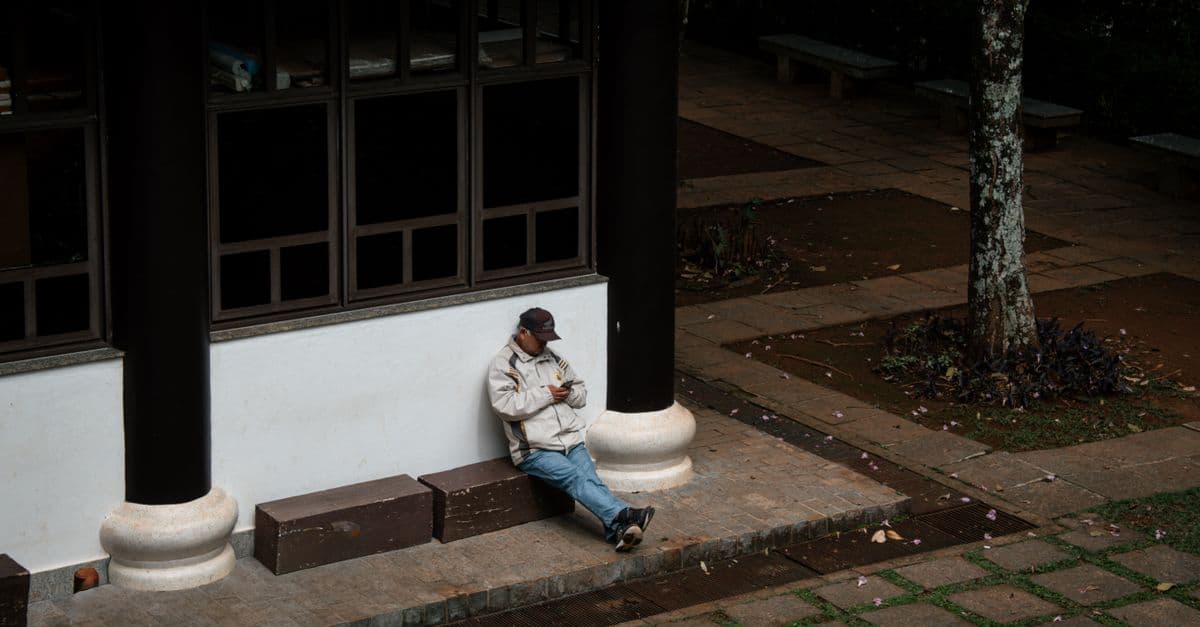
You pick up your phone to check one notification. Thirty minutes later, you're still scrolling, comparing your life to carefully curated highlight reels, feeling somehow both connected and profoundly alone. If this sounds familiar, you're not alone. Social media has fundamentally transformed how we connect, communicate, and perceive ourselves—and the mental health implications are both significant and complex.
While social platforms promise connection and community, research increasingly shows they can also contribute to anxiety, depression, loneliness, and diminished self-worth. Understanding this relationship is the first step toward developing a healthier, more intentional relationship with technology.
The Double-Edged Sword of Connectivity
Social media isn't inherently good or bad—it's a tool whose impact depends largely on how we use it. On one hand, these platforms can foster genuine connection, provide support networks for marginalized communities, raise awareness about mental health, and help people feel less isolated in their struggles.
On the other hand, excessive use has been linked to increased rates of anxiety, depression, sleep disturbances, and poor body image. The constant stream of curated content creates unrealistic standards, while the dopamine-driven design of these apps can create compulsive usage patterns that interfere with real-world relationships and activities.
The key difference often lies not just in how much time we spend, but in how we engage. Passive scrolling—mindlessly consuming content without meaningful interaction—tends to correlate with worse mental health outcomes than active engagement like meaningful conversations and community building.
The Comparison Trap and Self-Esteem
One of the most insidious effects of social media is the constant invitation to compare ourselves to others. We see vacation photos, career achievements, perfect relationships, and flawless appearances—rarely the struggles, setbacks, or ordinary moments that make up most of life.
This phenomenon, sometimes called "compare and despair," can be particularly damaging to self-esteem. Studies show that frequent social media use is associated with increased body dissatisfaction, especially among adolescents and young adults. The use of filters and editing tools further distorts our perception of what's "normal," creating impossible standards that even the people in the photos don't actually meet.
Research from the American Psychological Association has found that young people who spend more than three hours per day on social media face double the risk of experiencing mental health problems, including symptoms of depression and anxiety.
"Social media isn't reality—it's a highlight reel. Learning to recognize this distinction is essential for protecting your mental health in the digital age."
The Science Behind Social Media and Mental Health
Understanding the neurological impact of social media helps explain why it can be so difficult to put our phones down. These platforms are designed to trigger dopamine release—the same neurotransmitter associated with reward and pleasure. Each like, comment, or notification provides a small hit of satisfaction, encouraging us to keep checking.
This reward system can create patterns similar to behavioral addiction. The unpredictable nature of social feedback (sometimes you get lots of engagement, sometimes little) actually strengthens this response through what psychologists call "variable ratio reinforcement"—the same principle that makes slot machines so addictive.
Additionally, excessive screen time, particularly before bed, disrupts sleep patterns by suppressing melatonin production. Poor sleep, in turn, significantly increases vulnerability to anxiety and depression, creating a cyclical pattern that can be difficult to break.
Research has also shown that social media can activate the brain's threat-detection system. Fear of missing out (FOMO), social rejection (through lack of engagement), or exposure to distressing news can keep our stress response chronically activated, contributing to anxiety and burnout.
Who Is Most Vulnerable?
While social media can affect anyone's mental health, certain populations appear to be particularly vulnerable:
Adolescents and young adults whose identities and self-esteem are still developing are especially susceptible to the negative effects of social comparison and cyberbullying.
People with pre-existing mental health conditions may find their symptoms exacerbated by social media use, particularly if they're prone to anxiety or depression.
Individuals with perfectionist tendencies may be more affected by the curated nature of social media and the pressure to present an ideal image.
Those experiencing social isolation may turn to social media as a substitute for real-world connection, which can paradoxically increase feelings of loneliness.
Recognizing Problematic Use
How do you know if your social media use has crossed from healthy to harmful? Consider these warning signs:
You feel anxious, depressed, or inadequate after using social media
You're spending more time online than with friends and family in person
You find it difficult to concentrate on tasks without checking your phone
Your sleep is suffering due to late-night scrolling
You constantly compare yourself to others online
You feel compelled to document and share experiences rather than simply enjoying them
If several of these resonate with you, it may be time to reassess your relationship with social media.
Strategies for Healthier Social Media Use
The goal isn't necessarily to eliminate social media entirely, but to cultivate a more intentional, balanced relationship with it. Here are evidence-based strategies that can help:
Set time limits. Use built-in screen time tools to cap your daily social media use. Many experts recommend no more than 30 minutes per day on social platforms.
Curate your feed intentionally. Unfollow accounts that make you feel inadequate or anxious. Follow accounts that inspire, educate, or genuinely uplift you.
Turn off notifications. Constant alerts create a sense of urgency and interrupt focus. Check social media on your schedule, not at its demand.
Establish phone-free zones. Keep devices out of the bedroom, away from meal times, and out of reach during important conversations.
Practice mindful consumption. Before opening an app, ask yourself why. Are you bored? Lonely? Anxious? Sometimes the urge signals an underlying need better met in other ways.
Engage actively, not passively. When you do use social media, focus on meaningful interactions rather than endless scrolling.
Take regular breaks. Consider periodic "digital detoxes"—even just a weekend without social media can provide valuable perspective.
Cultivate offline connections. Prioritize face-to-face interactions and activities that don't involve screens.
When to Seek Professional Help
While implementing these strategies can help many people develop a healthier relationship with social media, sometimes professional support is needed. Consider reaching out to a mental health professional if:
• You're experiencing persistent feelings of depression, anxiety, or worthlessness
• Social media use is significantly interfering with work, school, or relationships
• You're unable to reduce your usage despite negative consequences
• You're experiencing cyberbullying or harassment
• You're having thoughts of self-harm
A therapist can help you develop coping strategies, address underlying issues that may be driving problematic use, and work through the impact social media has had on your mental health and self-esteem.
Remember, seeking help isn't a sign of weakness—it's a proactive step toward better mental health and a more balanced life. You don't have to navigate these challenges alone.